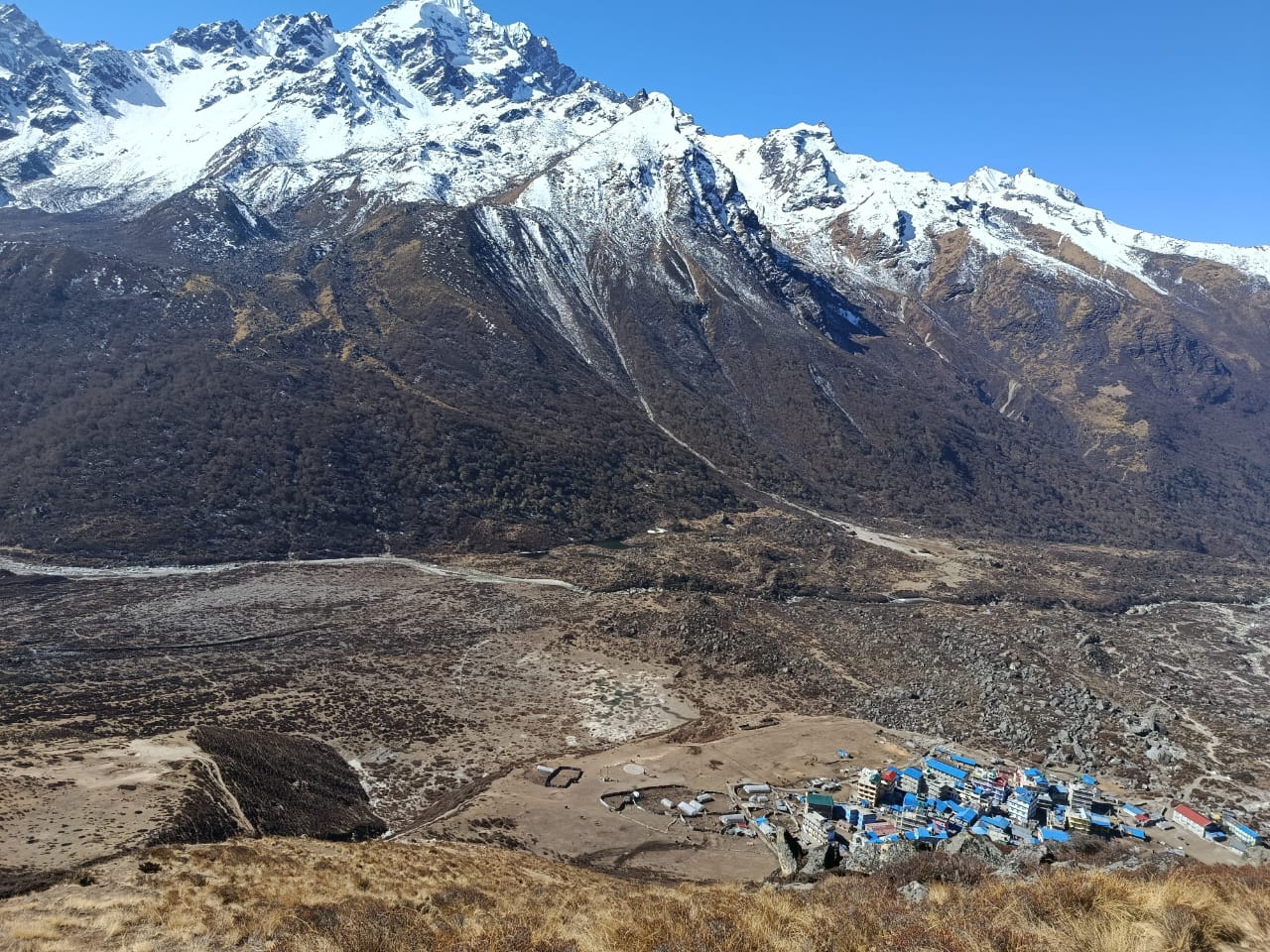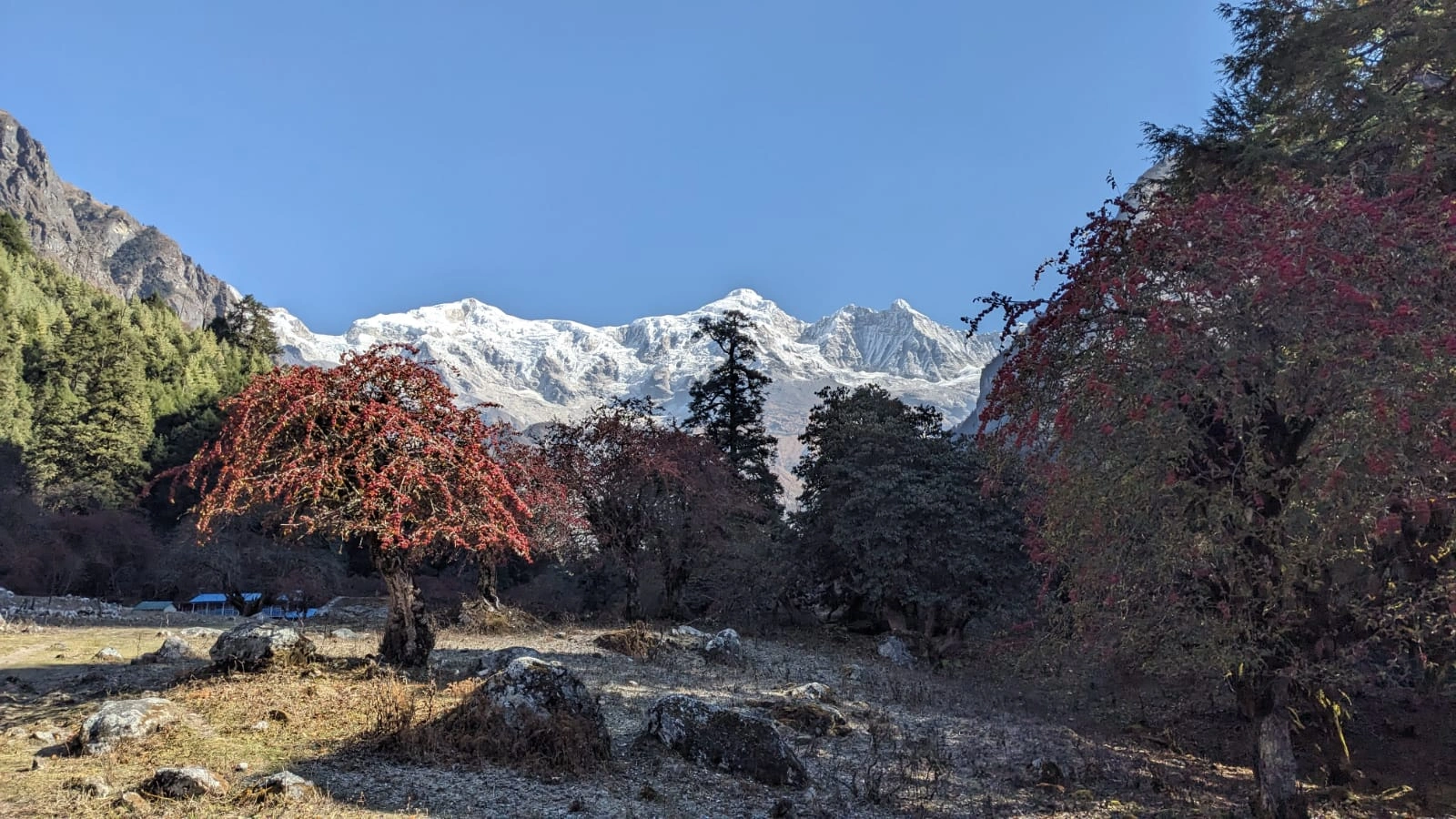
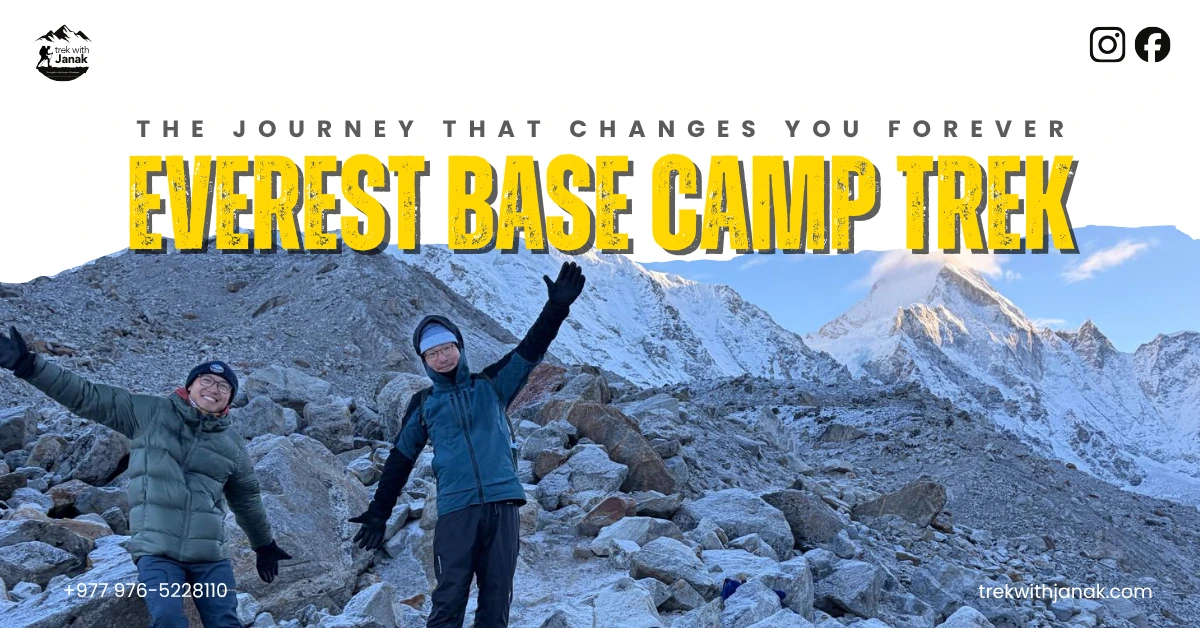
The Everest Base Camp Trek is one of the most iconic trekking adventures in the world. Every year, thousands of trekkers travel to Nepal to experience the breathtaking Himalayan landscapes, Sherpa culture, ancient monasteries, and the unforgettable feeling of standing beneath Mount Everest.
But the Everest Base Camp Trek is not only about reaching a destination.
It is about the journey through remote mountain villages, crossing suspension bridges above deep valleys, walking beside glaciers, and slowly adapting to life in the high Himalayas.
For many trekkers, the Everest Base Camp Trek becomes a once-in-a-lifetime experience that changes how they see nature, adventure, and themselves.
Why the Everest Base Camp Trek Is Famous Worldwide
The Everest Base Camp Trek takes you deep into Nepal’s Khumbu region, home to Mount Everest, the highest mountain on Earth.
Trekkers from around the world choose the Everest Base Camp Trek because it combines:
- Himalayan mountain views
- Authentic Sherpa culture
- Adventure trekking
- High-altitude experience
- Scenic flights to Lukla
- Glacier landscapes
- Historic monasteries
- Bucket-list travel experience
Unlike technical mountain climbing, the Everest Base Camp Trek does not require mountaineering skills. This makes it one of the best trekking adventures in Nepal for international travelers seeking a Himalayan experience without climbing Everest itself.
Everest Base Camp Trek Route Overview
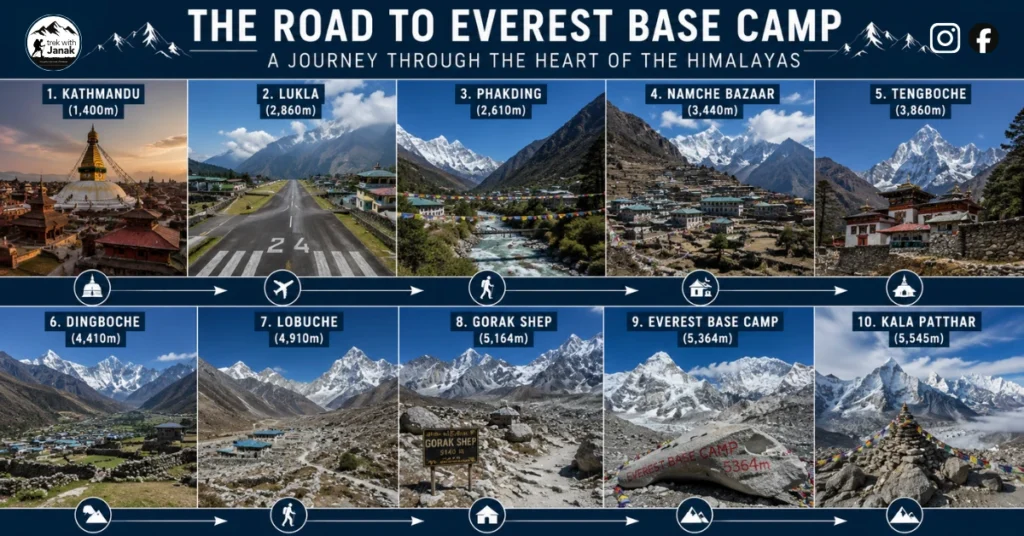
The standard Everest Base Camp Trek route follows the classic trail through the Khumbu region.
Popular trekking destinations during the journey include:
- Kathmandu
- Lukla
- Phakding
- Namche Bazaar
- Tengboche
- Dingboche
- Lobuche
- Gorak Shep
- Everest Base Camp
- Kala Patthar
One of the biggest highlights of the Everest Base Camp Trek is the sunrise hike to Kala Patthar.
From Kala Patthar, trekkers get one of the clearest panoramic views of Mount Everest, Nuptse, and surrounding Himalayan peaks.
Everest Base Camp Trek Itinerary – 13 Days
Day 1: Arrival in Kathmandu
Arrival, hotel check-in, and Everest Base Camp Trek briefing.
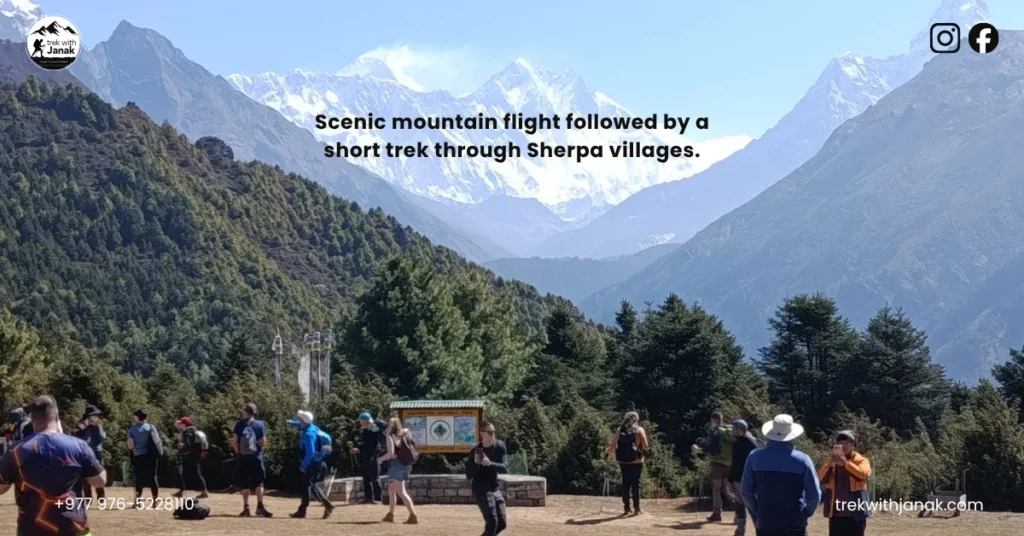
Day 2: Fly to Lukla and Trek to Phakding
Scenic mountain flight followed by a short trek through Sherpa villages.
Day 3: Trek from Phakding to Namche Bazaar
Cross suspension bridges and enter Sagarmatha National Park.
Day 4: Acclimatization Day in Namche Bazaar
Rest day with optional hikes for altitude adaptation.
Day 5: Trek to Tengboche
Beautiful Himalayan views and monastery visit.
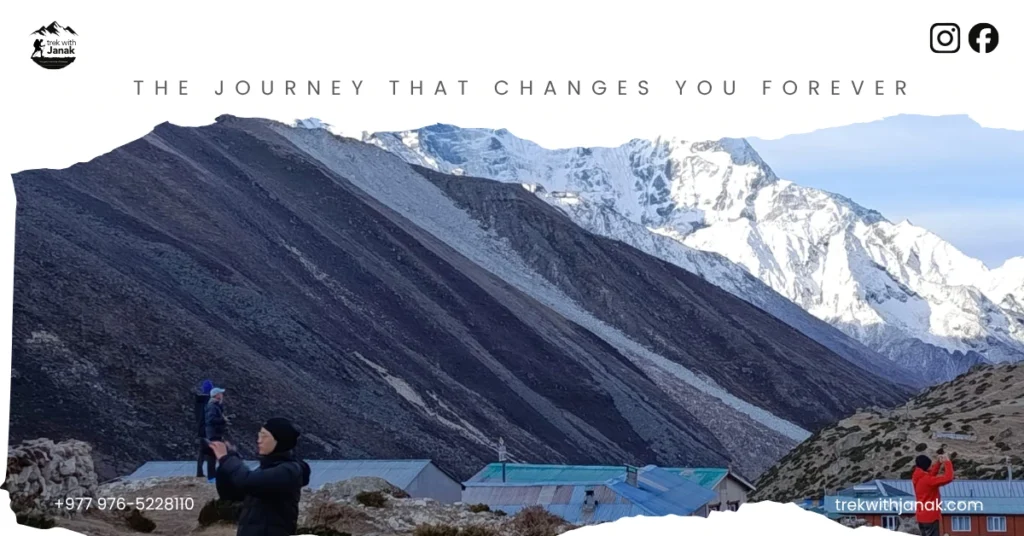
Day 6: Trek to Dingboche
Gradual ascent into higher alpine landscapes.
Day 7: Acclimatization Day in Dingboche
Important altitude adjustment day.
Day 8: Trek to Lobuche
Walk beside glaciers and rugged mountain terrain.
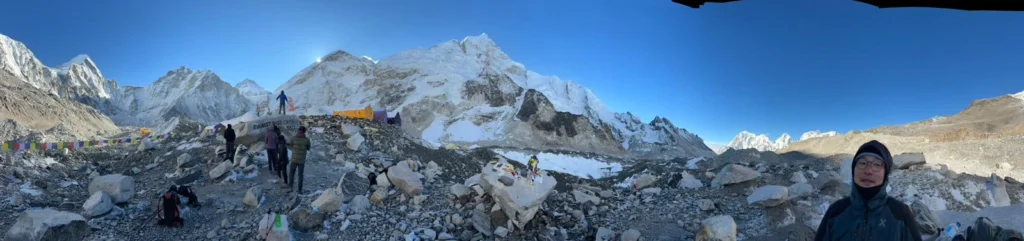
Day 9: Trek to Everest Base Camp via Gorak Shep
Reach the famous Everest Base Camp.
Day 10: Hike to Kala Patthar and Trek to Pheriche
Early sunrise hike followed by descent.
Day 11: Trek to Namche Bazaar
Return through scenic mountain villages.
Day 12: Trek to Lukla
Final trekking day of the Everest Base Camp Trek.
Day 13: Fly Back to Kathmandu
Return flight and trip completion.
Best Time for Everest Base Camp Trek
The best time for the Everest Base Camp Trek depends on weather, visibility, and trekking conditions.
Spring Season (March to May)
Spring is one of the most popular seasons for the Everest Base Camp Trek because of:
- Clear skies
- Rhododendron blooms
- Moderate temperatures
- Stable weather
Autumn Season (September to November)
Autumn offers:
- Excellent mountain visibility
- Crisp weather
- Dry trekking conditions
- Comfortable daytime temperatures
These seasons are considered the best months for trekking in Nepal.
Is Everest Base Camp Trek Crowded?
Yes, the Everest Base Camp Trek has become more crowded in recent years, especially during spring and autumn.
Popular villages like Namche Bazaar and Gorak Shep can become very busy during peak trekking seasons.
Trekkers looking for quieter trekking routes in Nepal during summer or monsoon often prefer:
- Nar Phu Valley
- Manaslu Circuit Trek
These treks offer fewer tourists, remote Himalayan experiences, authentic mountain culture, peaceful trekking trails and beautiful summer trekking conditions.
Everest Base Camp Trek Difficulty
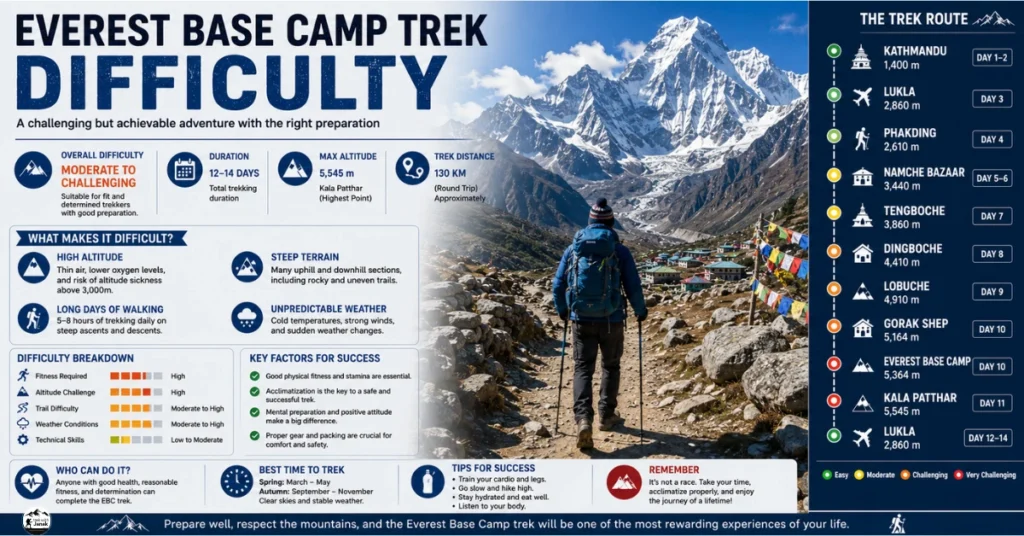
The Everest Base Camp Trek is considered moderately difficult.
Trekkers do not need climbing experience, but they should have:
- Good physical fitness
- Hiking endurance
- Mental preparation
- Proper acclimatization
The biggest challenge during the Everest Base Camp Trek is altitude.
As trekkers move above 4,000 meters, oxygen levels decrease significantly. This is why acclimatization days in Namche Bazaar and Dingboche are extremely important.
Daily trekking usually involves:
- 5 to 7 hours of walking
- Rocky mountain trails
- Suspension bridges
- Steep ascents and descents
Sherpa Culture During Everest Base Camp Trek
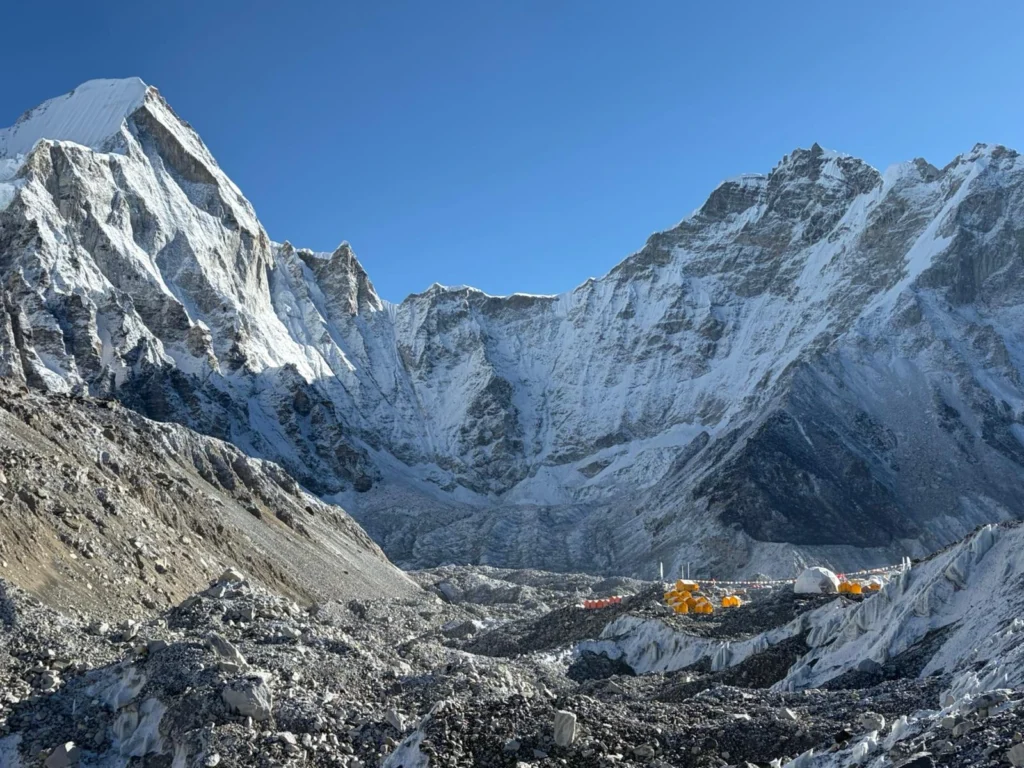
The Everest Base Camp Trek is not only about mountains.
It is also a cultural journey through traditional Sherpa communities.
Trekkers pass:
- Prayer flags
- Mani walls
- Buddhist stupas
- Ancient monasteries
- Traditional mountain settlements
Tengboche Monastery is one of the spiritual highlights of the trek.
Many trekkers say the kindness and resilience of the Sherpa people become one of the most memorable parts of the Everest Base Camp Trek.
Food and Accommodation During Everest Base Camp Trek
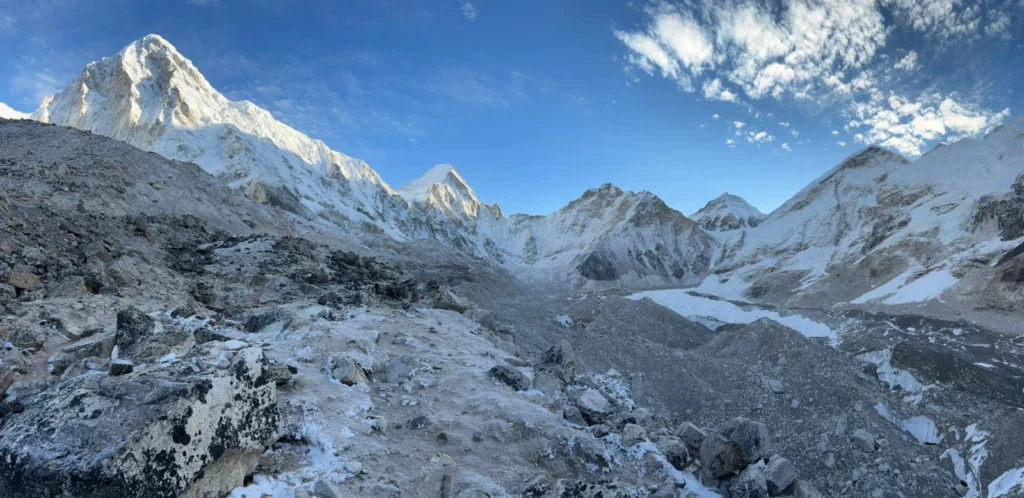
Accommodation during the Everest Base Camp Trek is mainly in teahouses run by local families.
Typical teahouse facilities include:
- Twin-sharing rooms
- Warm dining halls
- Basic mountain lodging
- Traditional meals
Popular foods during the trek include:
- Dal Bhat
- Fried rice
- Noodles
- Pancakes
- Sherpa stew
- Tea and coffee
As altitude increases, food and accommodation prices also increase because supplies are carried by porters and yaks.
Everest Base Camp Trek Permits
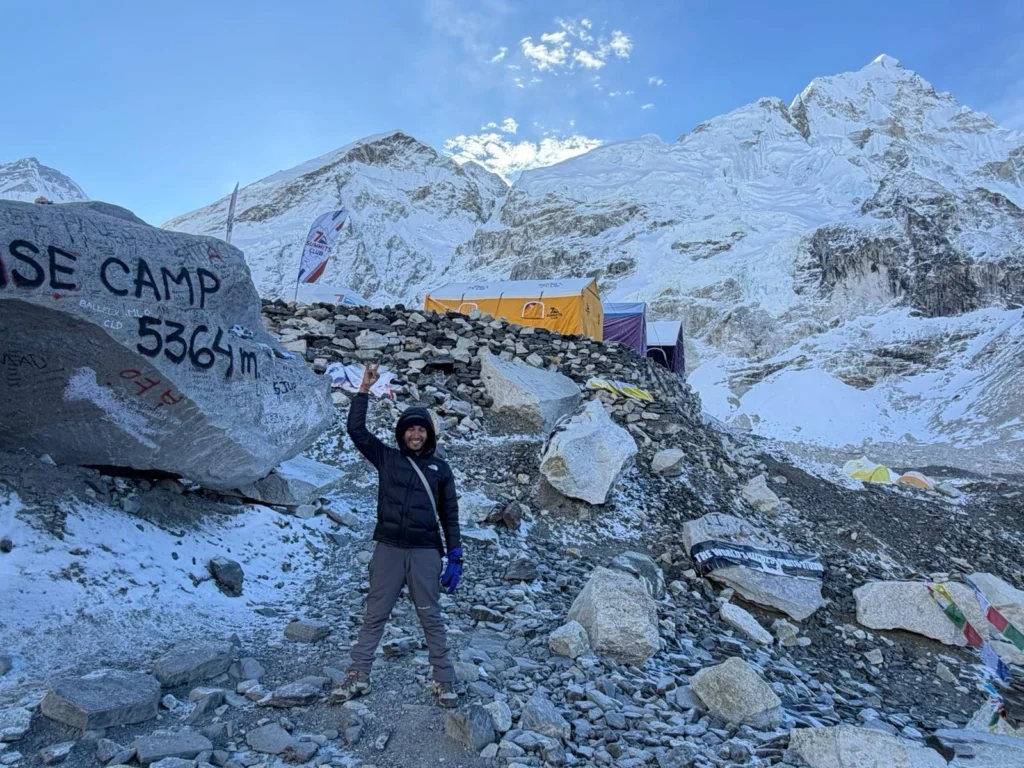
The Everest Base Camp Trek requires mandatory trekking permits.
Permits Included
- Sagarmatha National Park Permit
- Khumbu Pasang Lhamu Rural Municipality Permit
These permits are essential for entering the Everest region.
Everest Base Camp Trek Price Includes
Most Everest Base Camp Trek packages include:
- Airport pickup and drop
- Kathmandu to Lukla flights
- Trekking accommodation
- Breakfast, lunch, and dinner during trek
- Professional trekking guide
- Porter service
- First aid support
- Trekking permits
Essential Packing List for Everest Base Camp Trek
Important gear for the Everest Base Camp Trek includes:
- Waterproof trekking boots
- Down jacket
- Thermal clothing
- Gloves and wool hat
- Sleeping bag
- Trekking poles
- Sunglasses
- Sunscreen
- Reusable water bottle
Preparing properly helps trekkers stay safe and comfortable in high-altitude conditions.
Why Everest Base Camp Trek Is More Than Just a Trek
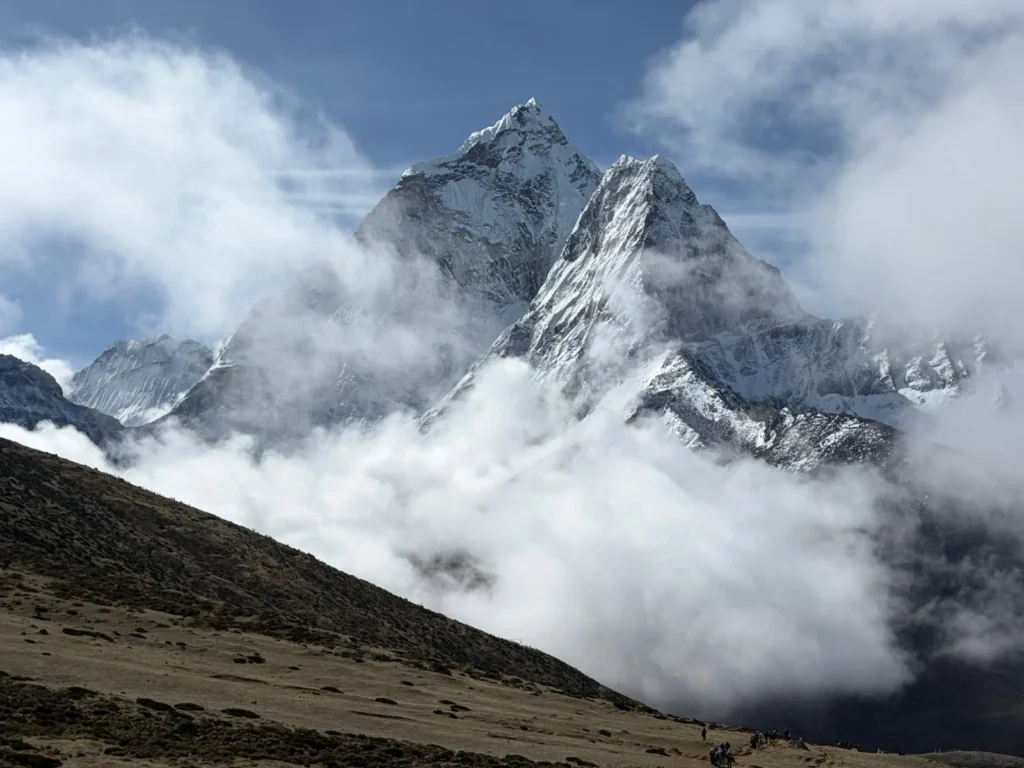
The Everest Base Camp Trek is not simply a trekking route.
It is an experience that teaches patience, resilience, simplicity, and respect for nature.
Far away from busy cities and constant distractions, trekkers reconnect with the mountains, with local culture, and often with themselves.
The silence of the Himalayas, the sound of prayer flags in the wind, and the first sunrise over Everest become memories that last forever.
Plan Your Everest Base Camp Trek in Nepal
Whether you are an experienced trekker or planning your first Himalayan adventure, the Everest Base Camp Trek remains one of the best trekking experiences in Nepal.
From the dramatic Lukla flight to the unforgettable sunrise at Kala Patthar, every part of the Everest Base Camp Trek tells a story worth experiencing.
If you have been dreaming about trekking in the Himalayas, this could be the perfect time to begin your Everest Base Camp Trek journey.
Before you book anything, talk to someone who walks these trails.
Every trek and every season in Nepal is different. If you want honest guidance on when to go, which route fits you, and what to expect on the ground, speak directly with a local guide.